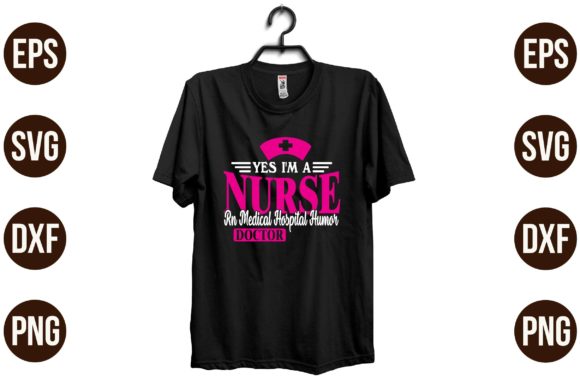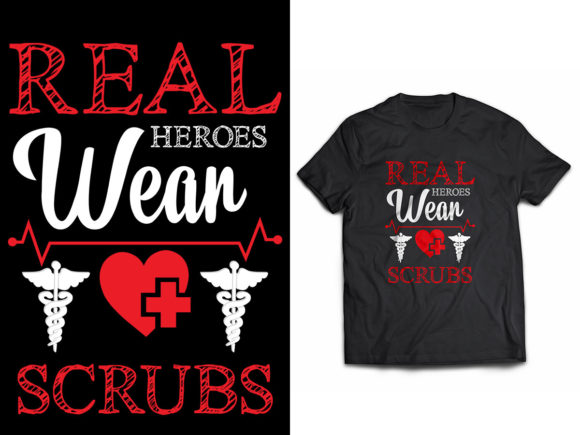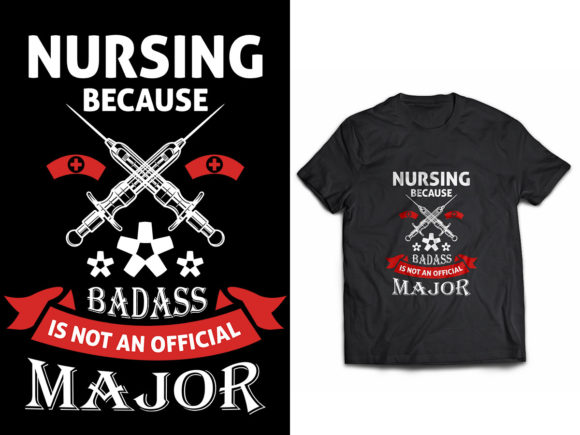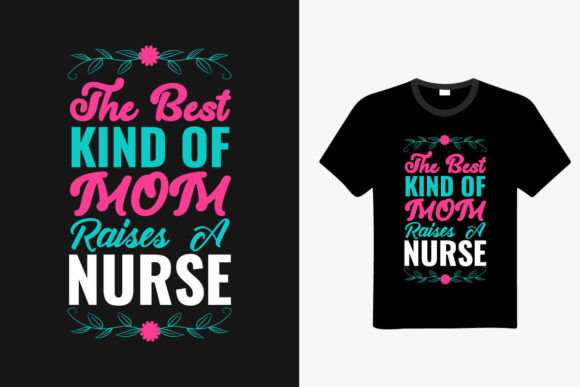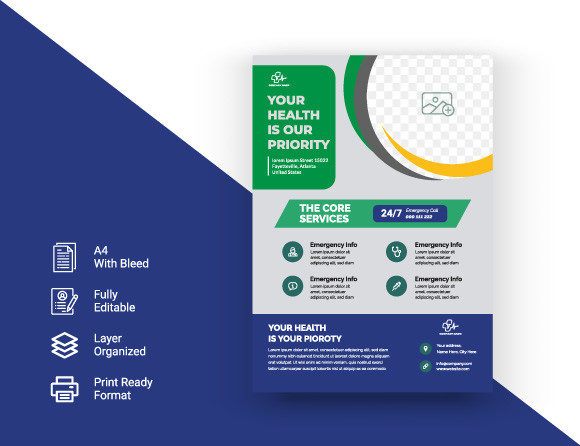
Flyer Template – Medical Flyer
The Flyer Template – Medical Flyer is a clean, professional design that feels immediately ready for real-world use. Its modern aesthetic and structured layout make it ideal for embroidery projects that require clarity and sophistication. Whether you're creating custom apparel, promotional materials, or handmade gifts, this template has the potential to elevate your work with its polished look.
First Impressions: A Design That Speaks Professionalism
From the moment you open the Flyer Template – Medical Flyer, it's clear this is a design meant for business and personal use alike. The layout is well-organized, with a balance of negative space and visual elements that don't overwhelm. The theme leans toward medical or corporate settings, but its simplicity allows it to adapt to other industries as well.
The shape and structure suggest a design that would translate well into embroidered patches, tote bags, or even printed mockups. It’s not overly intricate, which makes it versatile for different fabric types and embroidery techniques. The detail level is just right—enough to be noticeable but not so dense that it becomes a challenge to stitch.
Real-World Embroidery Use Cases
Imagine you're working on a custom embroidered tote bag for a local clinic or wellness center. The Flyer Template – Medical Flyer could serve as the perfect base for a subtle, professional logo or message. Its clean lines and minimalistic approach make it easy to read from a distance, which is essential for signage or product branding.
This design also works well for sweatshirts, baby clothes, and aprons. The layout allows for flexibility in placement, whether you're stitching it on the front of a t-shirt or the back of a cap. It’s a strong candidate for personalized gifts, especially for those looking to create a sense of trust and professionalism in their handmade products.
Where to Be Cautious: Design Limitations
While the Flyer Template – Medical Flyer is visually appealing, it’s important to consider where it might not perform as well. For instance, if you're working with small hoop sizes, the design may require multiple hooping steps, which can be time-consuming and increase the risk of misalignment.
Textured fabrics, thin materials, or stretchy garments could also pose challenges. The design’s detail might get lost on dark fabrics unless the thread colors are carefully chosen. Additionally, areas with tiny lettering or dense stitch patterns could become less visible or distorted during the embroidery process.
Visual Appeal and Stitching Clarity
The Flyer Template – Medical Flyer maintains a high level of visual appeal when stitched. Its clean lines and simple shapes ensure that the design remains sharp and legible, even after multiple washes. This is crucial for handmade products that need to maintain their quality over time.
Stitching clarity is another strong point. The design doesn’t rely on excessive detail, which means it should hold up well on most fabrics. However, it’s still important to test the design on scrap fabric before committing to a final project. This helps identify any issues with thread color contrast or stabilizer needs.
Impact on Product Value and Customer Trust
When used effectively, the Flyer Template – Medical Flyer can enhance the perceived value of your finished product. A well-executed embroidery project with this design can make a strong impression on customers, reinforcing the professionalism of your craft business or Etsy shop.
It also plays a role in building customer trust. A clean, readable design on an embroidered item signals attention to detail and quality craftsmanship. This is especially important for commercial embroidery projects where consistency and reliability are key factors in client satisfaction.
Practical Designer Notes: Things to Check Before Using
Before using the Flyer Template – Medical Flyer in your embroidery projects, there are several practical steps to take:
- Test on scrap fabric: Always try the design on a similar material to see how it looks and stitches.
- Check thread color contrast: Ensure the colors you choose stand out against the fabric you’re using.
- Review stitch density: Make sure the design isn’t too dense, which can cause puckering or distortion.
- Confirm hoop size: Verify that the design fits within your machine’s hoop limitations.
- Inspect small details: Look closely at corners, lettering, and decorative elements to ensure they’ll translate well.
- Test black and white mockups: See how the design appears without color to assess its versatility.
- Compare light and dark backgrounds: Determine if the design works on both types of fabric.
- Use proper stabilizer: Stabilizers help prevent fabric distortion and improve stitch quality.
- Check licensing: Confirm that the design is suitable for both personal and commercial use.
Best Fit for Embroidery Projects
The Flyer Template – Medical Flyer is best suited for projects that require a clean, professional look. It works well for embroidered patches, tote bags, sweatshirts, and baby items. Its adaptability makes it a great choice for small shop products, Etsy listings, and craft fair displays.
It’s also a solid option for printable mockups and digital product previews. As a graphics file, it can be used in various design assets, making it a valuable addition to your embroidery project toolkit.
Final Thoughts: A Reliable Choice for Practical Use
The Flyer Template – Medical Flyer is a reliable design that offers a balance of style and functionality. While it may not be the most intricate or detailed template available, its simplicity and professionalism make it a strong choice for a wide range of embroidery projects.
Whether you're an experienced designer or just starting out, this template provides a solid foundation for creating high-quality, visually appealing embroidered items. With careful consideration of fabric type, thread color, and stitch density, it can become a go-to design for both personal and commercial use.